

Vocational Training: A Pathway Out of Poverty
Unemployment remains one of the greatest challenges facing vulnerable youth and adults. Many people want to work but lack the practical skills required in the job market. Recognizing this gap, our NGO has placed vocational training at the heart of its mission to fight poverty and restore dignity.
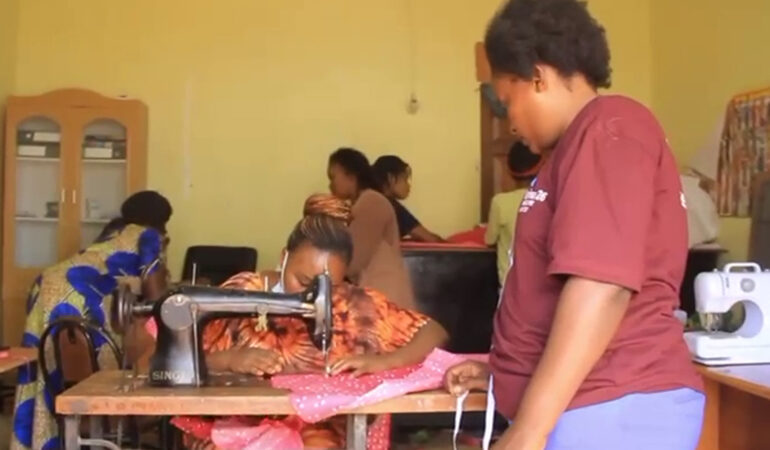
Vocational skills such as tailoring, hairdressing, carpentry, computing, and mechanics provide immediate opportunities for income generation. Unlike traditional education that may take years to produce results, vocational training equips beneficiaries with hands-on abilities they can use right away.
Our training centers welcome young people who dropped out of school, single mothers, and unemployed adults seeking a new beginning. For many of them, this is the first chance they have ever had to learn a professional skill. Classes combine technical instruction with life-skills education to prepare participants for real-world challenges.
Beyond technical skills, we teach entrepreneurship and financial management. Trainees learn how to manage customers, set prices, save profits, and plan for growth. This holistic approach ensures that graduates are not only skilled workers but also capable business owners.
Upon completion of training, beneficiaries receive starter kits and tools to begin working immediately. This support is crucial because many vulnerable individuals cannot afford the equipment needed to practice their new trade. With these tools, they are able to create their own jobs instead of waiting for formal employment.
The impact of vocational training is visible in transformed lives. Youth who once felt hopeless now earn income and support their families. Women who depended on charity now run small businesses with confidence. Communities benefit from new services and local economic growth.
Vocational training also reduces social problems such as crime, idleness, and dependency. When people have meaningful work, they gain purpose and self-respect. They become active contributors to society rather than passive recipients of aid.
Success stories from our programs continue to inspire us. Graduates return to testify how their new skills changed everything. Some have opened workshops, others have hired fellow community members, creating even greater impact.
Yet the demand for training far exceeds our current capacity. Many vulnerable people are still waiting for an opportunity to learn. With more resources, we can expand our centers, purchase additional equipment, and reach more beneficiaries.
We firmly believe that skills are the key to sustainable development. Giving someone a skill is giving them a lifetime opportunity. Through vocational training, we help individuals move from vulnerability to independence.
Together with partners and donors, we can continue turning unemployment into productivity and despair into hope.